Veneers vs Bonding: Which Cosmetic Treatment Wins?
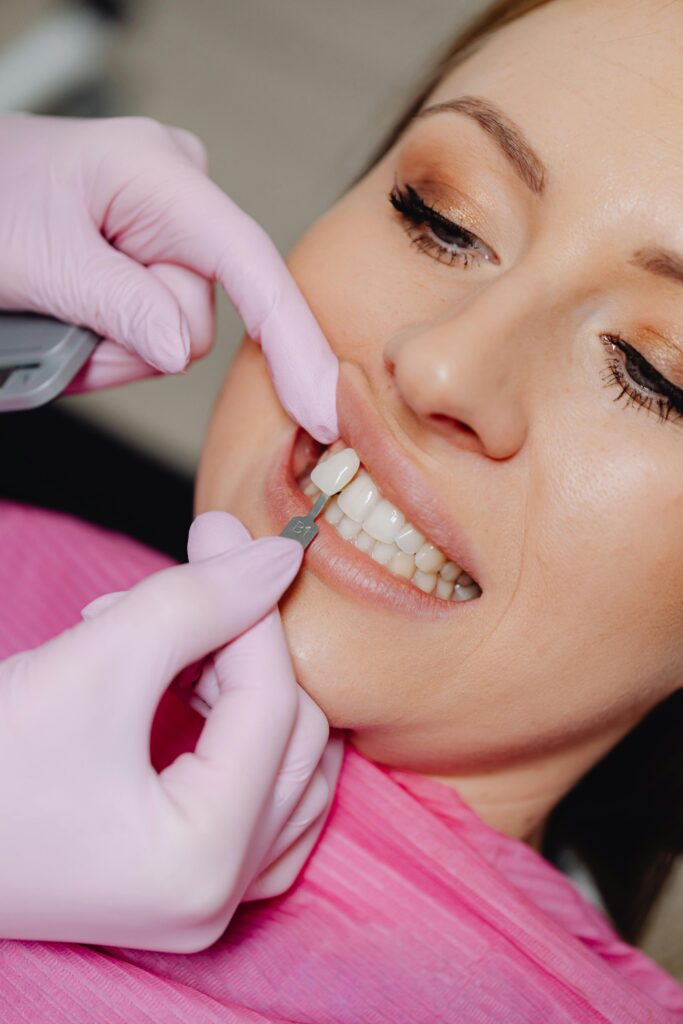
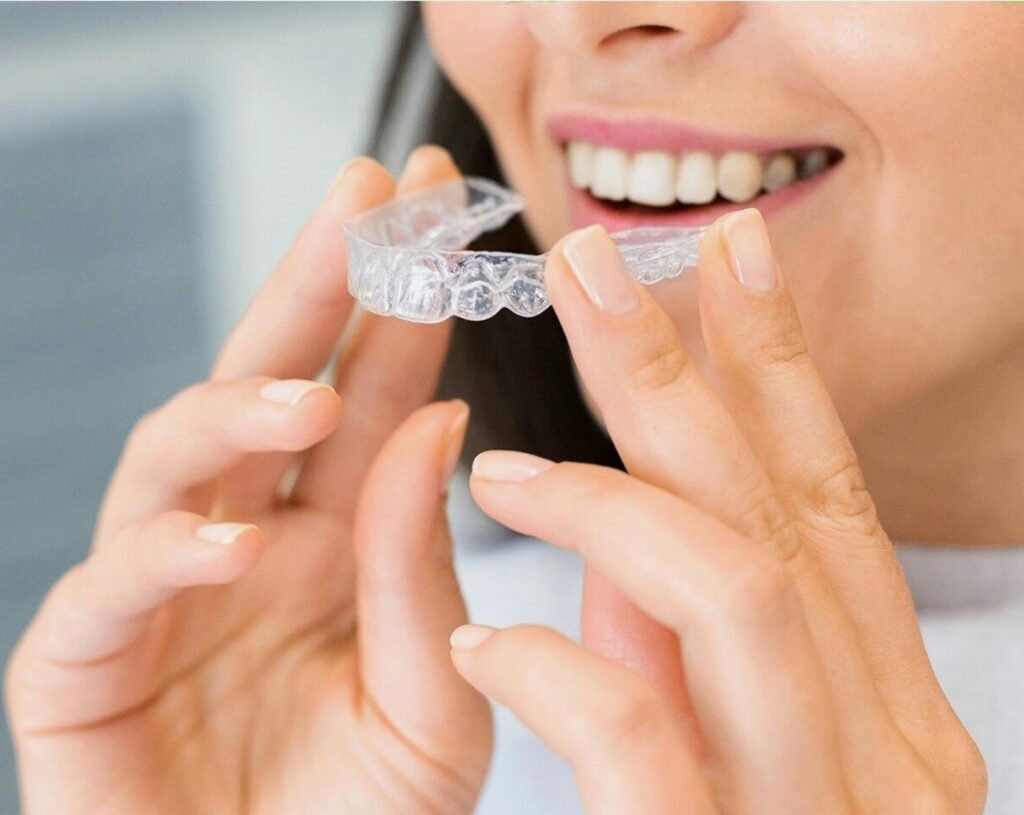
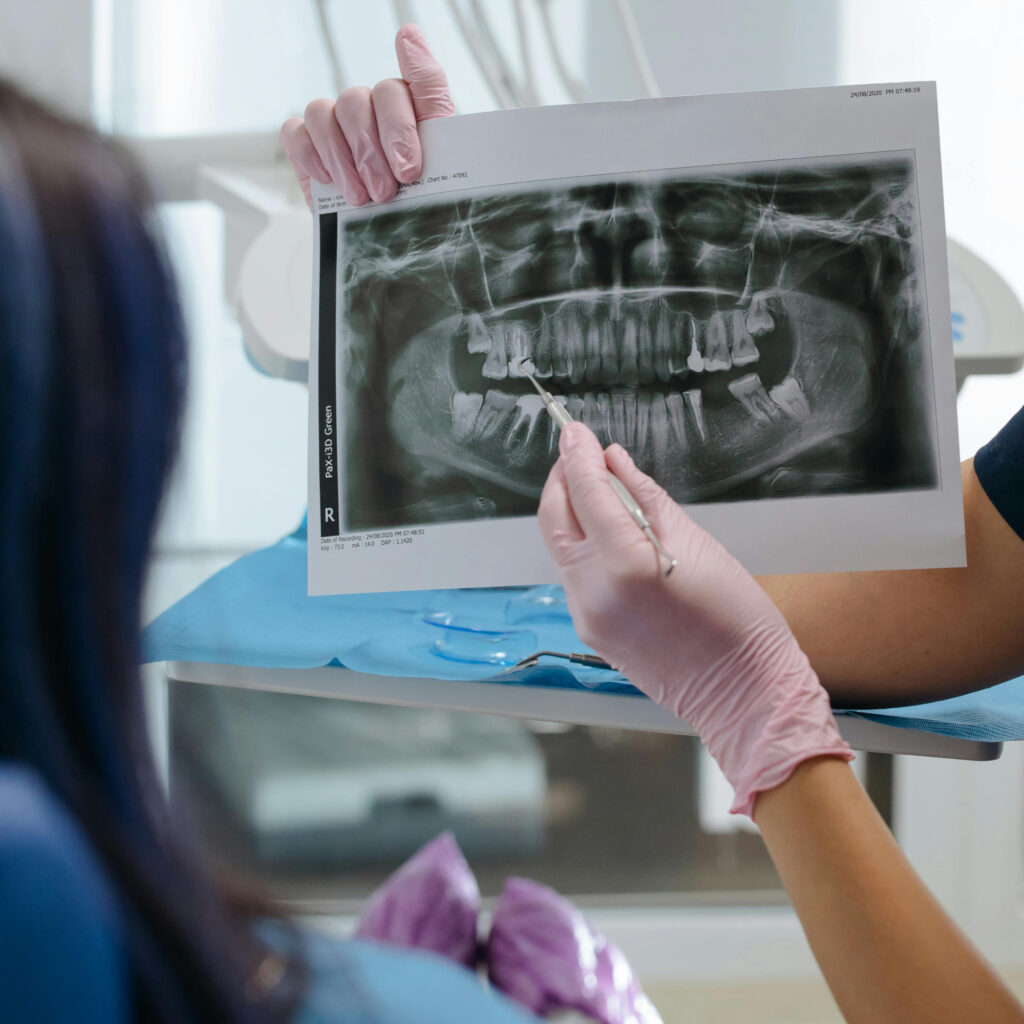
A patient sits down, smiles carefully, and asks a question I hear in some form every week: should I get veneers, or is bonding enough?
It sounds like a simple cosmetic choice. It rarely is. The better answer depends on what you dislike about your teeth, how long you want the result to last, how much enamel you can afford to alter, how you bite, how often you stain your teeth with coffee or red wine, and how realistic you are about maintenance.
Both treatments can transform a smile. Both can also disappoint if they are chosen for the wrong reason. The polished before-and-after photos online tend to flatten the decision into a beauty contest, but real mouths are not photo sets. Teeth chip. Gums shift. People grind in their sleep. Budgets matter. So does restraint.
If you are weighing veneers against bonding, the smartest starting point is not “Which one looks better?” It is “What problem am I actually trying to solve, and what trade-off am I willing to accept?”
The short version: they solve similar problems in very different ways
Bonding and veneers both improve the appearance of teeth. They can close small gaps, reshape edges, cover discoloration, and make worn or uneven teeth look more harmonious. From a few feet away, a good case of either can look excellent.
The difference is in the material, the process, the durability, and the level of commitment.
Bonding uses tooth-colored composite resin, sculpted directly onto the tooth and hardened with a curing light. It is usually done in one visit, often with little to no drilling. It is conservative, versatile, and usually less expensive upfront. It is also more prone to staining, chipping, and wear over time.
Veneers are thin shells, usually made from porcelain, that are custom fabricated and bonded to the front surface of the teeth. They take more planning, more precision, and in many cases some enamel reduction. They cost more. In return, they tend to offer better longevity, color stability, and surface texture.
That is the broad picture. The real decision lives in the details.
What bonding does especially well
Bonding shines when the change needed is modest and targeted. Think of the front tooth with a chipped corner after biting a fork too hard. Or the lateral incisor that is slightly undersized and makes the smile look uneven. Or the patient who had braces, finished with good alignment, but still wants one or two edges softened and a tiny gap closed.
In those situations, bonding can be a beautifully efficient solution. It preserves natural tooth structure and gives the dentist room to make artistic adjustments chairside. A skilled clinician can layer shades and translucencies in a way that blends surprisingly well with neighboring enamel.
One of the practical advantages of bonding is https://jasperwang675.lowescouponn.com/veneers-for-gummy-smiles-can-they-help reversibility, or at least relative reversibility. Since many bonding cases require minimal preparation, the tooth underneath may remain largely intact. That matters to patients in their twenties and thirties who want improvement without making a permanent leap into more invasive dentistry.
Bonding also works well as a trial run for larger cosmetic ideas. I have seen patients who were unsure whether they wanted their teeth longer, squarer, or more symmetrical. Composite allows those changes to be tested in the mouth before anyone commits to porcelain. Sometimes that mock-up becomes the final treatment. Sometimes it reveals that what looked good in a filtered selfie feels too bulky in real life.
The weakness of bonding is not appearance on day one. It is how that appearance holds up on day 700.
Composite resin is softer than porcelain. It can chip at the edges, especially in people who clench, grind, bite their nails, or tear open packets with their teeth. It can lose its surface luster and pick up stains over time. Even careful patients usually need occasional polishing, repair, or replacement.
That does not make bonding inferior. It makes it maintenance-heavy.
Where veneers pull ahead
Veneers tend to win when the cosmetic problem is more demanding, or when the patient wants a result that is more stable over the long haul.
Porcelain has a few important advantages. It resists staining far better than composite. It reflects light in a way that can look very natural when designed well. It keeps its gloss. It is also strong enough, when properly bonded and properly planned, to hold refined shapes that would be less durable in resin.
This matters when several front teeth need to be harmonized at once. If someone has multiple discolored teeth, patchy enamel, old fillings on the front surfaces, minor shape discrepancies, and uneven wear, veneers can create uniformity more predictably than bonding.
They are also useful in situations where whitening alone will not solve the problem. Deep tetracycline staining, fluorosis, or intrinsic discoloration from previous trauma can be difficult to mask with conservative treatments. Veneers often provide a cleaner and more stable aesthetic answer.
There is another reason veneers often outperform bonding: laboratory control. When the dentist, ceramist, and patient plan carefully, porcelain veneers can be designed with deliberate texture, contour, and translucency. That collaborative process usually produces a more polished finish than direct composite can, especially across a full smile.
Still, veneers are not magic. Poorly planned veneers can look bulky, opaque, or too uniform. They can irritate gum tissue if margins are overbuilt. They can fail if they are used to camouflage problems that should have been corrected with orthodontics first. The idea that veneers automatically equal a perfect smile is one of the more expensive myths in cosmetic dentistry.
The question people ask next: which looks more natural?
When both are done well, either can look natural. When both are done poorly, either can look artificial.
Natural appearance depends less on the category of treatment and more on diagnosis, design, and execution. A dentist who understands facial proportions, lip dynamics, tooth anatomy, and bite function can make bonding look elegant and invisible. A rushed set of veneers can look like white tiles.
That said, porcelain usually has the edge in long-term realism. Its surface properties are more stable. It maintains polish and color better. The fine interplay of translucency and reflection is easier to preserve over time.
Composite can absolutely look excellent, especially for small repairs or additions. But as it ages, it may lose some of that enamel-like quality. A bonded edge that was invisible on placement day may become more noticeable after years of coffee, curry, and routine wear.
A practical example helps. Consider two patients with the same small chip on a front tooth. The first has a clean bite, low stain exposure, and excellent enamel color match. Bonding is often ideal, and many observers would never detect it. The second has several old resin fillings on adjacent teeth, generalized wear, and a history of heavy grinding. In that case, a bonded repair may still work, but the odds of repeated touch-ups go up. If multiple front teeth also need cosmetic improvement, veneers may produce a more coherent result.
Tooth preservation matters more than most people realize
One of the strongest arguments in favor of bonding is that it can be extremely conservative. In some cases, little or no healthy enamel needs to be removed. That is not a minor point. Natural enamel is precious. Once it is gone, it does not grow back.
Veneers occupy a more complicated space here. Modern veneer preparation can be very conservative, and in select cases no-prep or minimal-prep veneers are possible. But that is not the default for everyone. Many veneer cases require reshaping the front surface of the tooth to make room for the porcelain and prevent an overcontoured result.
This is where a careful consultation matters. Some patients are told they are candidates for “no-prep veneers” when their existing tooth position or bulk makes that approach aesthetically risky. Add porcelain without making space, and teeth can look thick and overfilled. The smile may be brighter, but it often loses the subtle emergence profile that makes real teeth look believable.
Bonding generally wins the enamel-preservation contest. If your cosmetic concern can genuinely be solved with resin and your expectations fit the material, that conservative route deserves serious consideration.
Longevity: the honest answer, not the marketing version
Patients often want a neat number. How long does bonding last? How long do veneers last?
The truthful answer is that both depend heavily on case selection, bite forces, oral habits, hygiene, and maintenance. Still, broad ranges are useful.
Bonding often looks good for several years, but it commonly needs polishing, repair, or replacement sooner than veneers do. In routine practice, many bonded cosmetic cases need attention somewhere in the three to seven year range, sometimes earlier if the patient is hard on their teeth, sometimes longer if the changes are small and the conditions are favorable.
Veneers often last notably longer. Ten years is a reasonable benchmark in many discussions, and many well-made porcelain veneers last beyond that with appropriate care. Yet they are not lifetime devices. Margins can stain, bonding can fail, porcelain can chip, gum lines can shift, and underlying teeth can still develop problems.
What matters is not just how long they survive, but how they age. Bonding often degrades more gradually, which can be an advantage. A small chip can often be repaired in a single visit. Veneers may stay beautiful for longer, but when they fail, the repair may be more involved and more expensive.
That trade-off is worth thinking about. Some patients prefer the lower upfront cost and easier repair cycle of bonding. Others would rather invest more once and reduce the frequency of maintenance visits.
Cost is not only about the initial bill
Bonding usually costs less per tooth than veneers. That is one reason it is so attractive, especially for younger adults or anyone testing cosmetic changes for the first time.
But the least expensive option at the start is not always the least expensive over ten years.
If bonding stains, chips, or needs repeated refinishing, those appointments add up. The total may still remain lower than veneers, but the gap narrows in some cases. On the other hand, if a patient only needs one or two minor corrections, bonding often remains the more rational financial choice by a wide margin.
Veneers demand a higher initial investment because they involve planning, impressions or scans, laboratory fabrication, temporaries in some cases, and a more complex bonding protocol. If the result is stable and the patient was a good candidate, the long-term value can be strong.
The right question is not “Which is cheaper?” It is “Which gives me the best value for my specific mouth over the next five to fifteen years?”
Bite and habits can decide the case before aesthetics do
Some cosmetic consultations focus so heavily on color and shape that function gets pushed aside. That is a mistake.
If you grind your teeth at night, clench during stress, or have an edge-to-edge bite, both bonding and veneers become more complicated. Composite may chip more often. Porcelain may also fracture if the forces are poorly managed. In those cases, success often depends on addressing function alongside aesthetics, sometimes with orthodontics, equilibration, or a night guard.
A patient with severe wear on the front teeth, for example, may be unhappy with short, flattened edges. Bonding can lengthen them quickly, but if the bite that caused the wear remains unchanged, those edges may not last. Veneers may also be at risk if they are placed into the same destructive force pattern.
This is one of the clearest examples of where “which treatment wins” is the wrong question. Neither wins if the diagnosis is incomplete.
When bonding is usually the smarter choice
There are patterns that come up often enough to be useful. Bonding tends to make the most sense when the tooth changes are small, the enamel is healthy, and the patient values conservation over maximum durability. It is especially appealing for younger patients, for isolated chips, for small spaces, and for shape refinements after orthodontic treatment.
It also fits people who understand that maintenance is part of the deal. If you do not mind returning for occasional polish or repair, bonding can be a very satisfying treatment. In the right hands, it is one of the most elegant and underappreciated tools in cosmetic dentistry.
When veneers usually justify themselves
Veneers tend to justify their cost and commitment when the cosmetic goals are broader and the limitations of composite become more obvious. Multiple front teeth with discoloration, old restorations, enamel defects, moderate wear, or persistent aesthetic mismatch often respond better to porcelain.
They are also the stronger choice for patients who want a more stable color over time. If you are the kind of person who notices every tiny stain or luster change in the mirror, porcelain will likely keep you happier.
The key is to use veneers for what they are best at, not as a shortcut around other necessary treatment. Crowded teeth may need orthodontics first. Gum asymmetry may need periodontal work. Deep functional issues may need a more comprehensive plan.
A side-by-side reality check
| Factor | Bonding | Veneers | |---|---|---| | Tooth reduction | Usually minimal or none | Often some enamel reduction | | Visits | Often one | Usually two or more | | Upfront cost | Lower | Higher | | Stain resistance | Moderate | High | | Repairability | Usually easy | More complex | | Long-term polish and gloss | Fair to good | Excellent |
The table helps, but it still leaves out the human part of the decision. A patient who hates the idea of drilling may accept the trade-offs of bonding gladly. Another who travels constantly and wants fewer maintenance appointments may prefer veneers without hesitation.
The best cosmetic work rarely screams for attention
One of the strongest signs that a treatment was well chosen is that no one talks about the treatment. They notice the smile, not the dentistry.
That is especially true with veneers. The most successful cases are usually the restrained ones. Teeth look healthy, proportional, and believable. They fit the face. The patient looks rested, not redesigned.
Bonding shares that same principle. A tiny edge repair that restores symmetry can change a smile more than a dramatically whiter set of teeth that ignores facial harmony. Cosmetic dentistry is often at its best when it solves the exact problem and stops there.
I have seen patients thrilled with six carefully executed bonded refinements because their own teeth remained the star. I have also seen porcelain veneers change a person’s confidence in a way no conservative patchwork could have matched, because the underlying enamel defects and color inconsistencies were too extensive for resin to solve gracefully.
The right treatment is the one that respects both biology and expectations.
Questions worth asking before you decide
A good consultation should leave you with a clear sense of why one option suits you better than the other. If it does not, pause and ask more.
Here are a few questions that often reveal the real answer:
- How much healthy enamel needs to be removed in my case?
- What kind of maintenance should I expect over five years?
- How will my bite affect the durability of this treatment?
- Can I see a mock-up, a wax-up, or examples of similar cases?
- If I choose bonding now, can veneers still be an option later?
Those answers tend to separate thoughtful treatment planning from cosmetic salesmanship.
So, which cosmetic treatment wins?
If the contest is about preserving tooth structure, lower upfront cost, and flexibility, bonding often wins.
If the contest is about long-term color stability, surface polish, and full-smile transformation, veneers often win.
If the contest is about what is best for a specific patient with a specific bite, budget, and set of aesthetic goals, there is no universal winner. There is only the better fit.
That may sound less satisfying than a simple verdict, but it is the truth that leads to better dentistry. Veneers are not automatically the premium answer, and bonding is not merely the budget substitute. Each has a proper lane. The art is knowing which lane your smile belongs in.
For a small chip, subtle asymmetry, or conservative enhancement, bonding can be the smartest and most elegant move. For broader cosmetic change, difficult discoloration, or a smile that needs stability across multiple front teeth, veneers often earn their reputation.
The winner is the treatment that solves your actual problem without creating a bigger one later. That is the standard worth using.
Oaks Dental
Address: 5000 Parkway Calabasas Ste 308, Calabasas, CA 91302
Phone number: +18184312000
FAQ About Veneers
How much do veneers actually cost?
The cost of dental veneers typically ranges from $250 to $2,500 per tooth, with a full smile transformation averaging anywhere from $6,000 to $20,000 depending on the material you choose. Because veneers are classified as a elective cosmetic procedure, dental insurance almost never covers them.
What is the downside of having veneers?
The main downside of dental veneers is that the process is permanent and irreversible, as a dentist must shave off a thin layer of natural tooth enamel. Other major drawbacks include increased tooth sensitivity, high financial costs, and the need to replace them every 10 to 15 years.
What happens to the teeth under veneers?
When you get veneers, a dentist shaves off a thin layer of your natural tooth enamel (about 0.3 to 0.7 millimeters). The living tooth stays intact underneath, but losing this outer layer is permanent. The tooth relies on the veneer shell for lifelong protection and cannot be left bare.