How to Talk to Your Dentist About Veneers
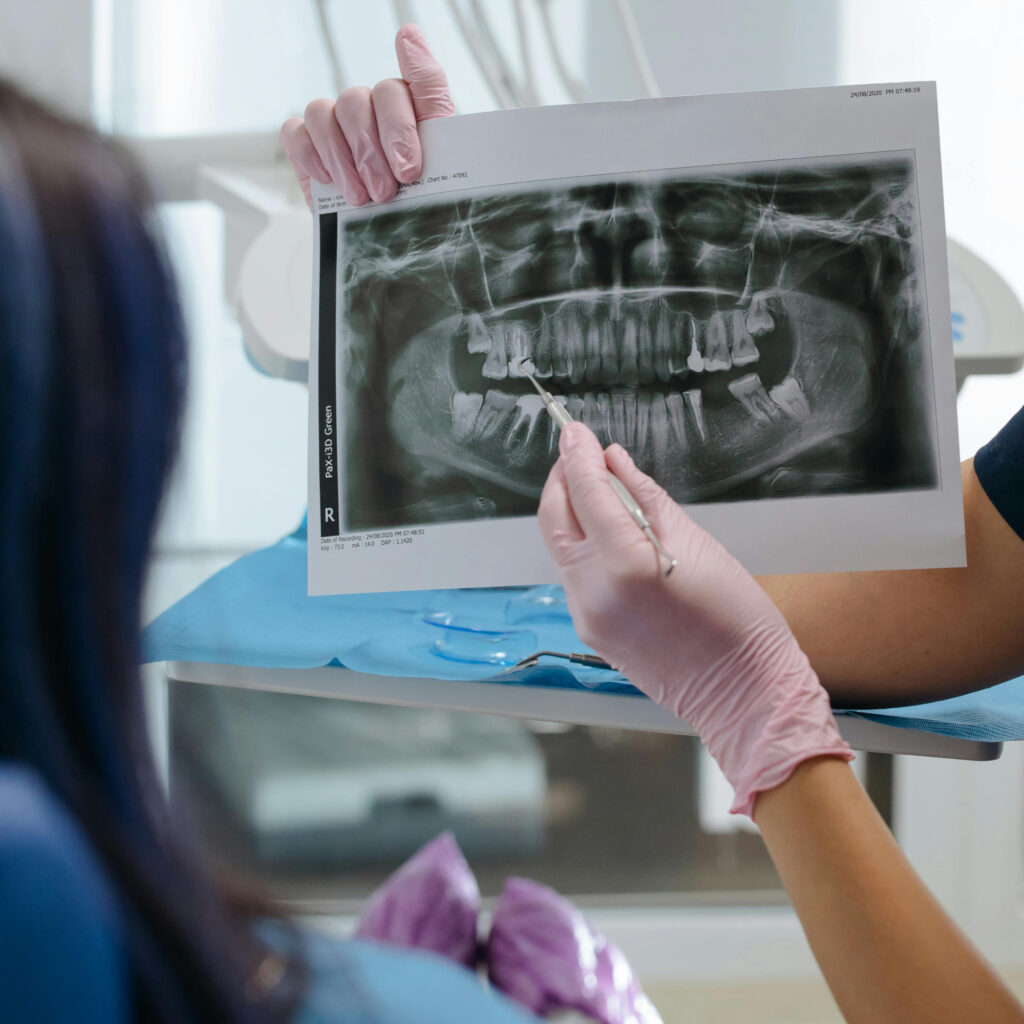
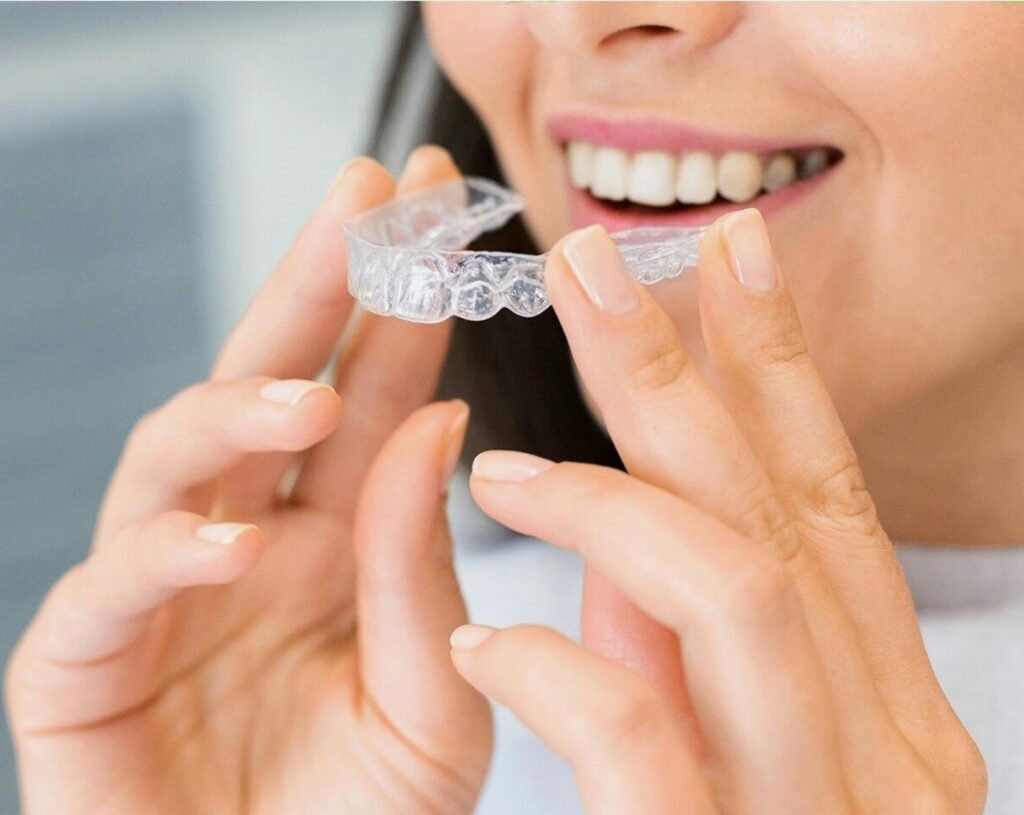
Veneers can change a smile dramatically, but the conversation that leads to them matters just as much as the final result. Many people walk into a dental consultation with a picture saved on their phone, a vague sense that they want a “better smile,” and very little idea how to describe what bothers them. That is normal. It is also where miscommunication begins.
The best veneer consultations are not sales pitches and they are not beauty pageants. They are clinical conversations about enamel, bite, facial proportions, habits, maintenance, and your own tolerance for cost and future replacement. If you know how to talk to your dentist about veneers, you are far more likely to end up with a result that looks believable, feels comfortable, and still makes sense five or ten years from now.
Start with what you want to change, not what you think you need
A lot of patients open with, “I want veneers,” when what they really mean is, “I do not like how my front teeth look.” Those are not the same thing. Veneers are one solution among several. Depending on the problem, whitening, bonding, orthodontics, enamel reshaping, or even replacing an old filling may be the better option.
A more useful way to begin is to describe the specific features that bother you. Maybe your teeth look too short in photos. Maybe there is spacing between the front teeth. Maybe one tooth is darker after trauma. Maybe the edges are worn and flatten your smile. Maybe the shape feels masculine or square when you want something softer. These details give your dentist something tangible to evaluate.
Try to be plain and honest. You do not need dental vocabulary. “My teeth look bulky,” “I hate how this one turns inward,” and “I want them whiter, but not blinding white” are all better starting points than a generic request for a smile makeover. Dentists can work with visual and emotional descriptions if they are specific enough.
One of the most common problems in cosmetic dentistry is when a patient asks for a procedure instead of describing a goal. That can send the entire conversation in the wrong direction. If you frame the visit around outcomes, your dentist has room to recommend what is healthiest and most predictable.
Bring references, but use them carefully
Photos help, especially when discussing shape, translucency, length, and shade. They also create trouble when patients bring heavily edited celebrity images with ideal lighting, filters, and facial features that have little relationship to their own anatomy.
A better approach is to bring a few reference images and explain what you like in each one. Perhaps one smile has softer corners, another has a natural brightness, and a third has the kind of edge length you prefer. That gives the dentist a design language without forcing an unrealistic copy.
If possible, bring pictures of your own smile from several years ago. Old photos often show what your teeth looked like before wear, discoloration, grinding, or shifting changed them. For many dentists, these photos are more helpful than a celebrity reference because they reflect your face, lip movement, and proportions. A patient who says, “I liked my smile at 25, before these edges wore down,” is offering useful clinical information.
Ask whether veneers are actually the right treatment
This is the most important question in the room, and many patients skip it because they assume the answer is yes. Veneers are often excellent for correcting color, shape, minor alignment issues, chips, and worn edges. They are less ideal when the main issue is severe crowding, active gum disease, uncontrolled grinding, or expectations that drift into fantasy.
A good dentist should be willing to tell you when veneers are a poor first choice. If your teeth are healthy but significantly crooked, orthodontic treatment may preserve more natural structure. If your color concerns are mild, whitening may get you close enough without any drilling. If your tooth has a large existing filling or major structural loss, a crown may be more durable than a veneer.
This part of the discussion can feel disappointing if you arrived convinced that veneers were the answer. It is still a good sign. A dentist who evaluates alternatives is thinking like a clinician, not just a seller.
Understand what will happen to your natural teeth
Many veneer conversations stay too superficial. Patients hear words like “minimal prep” or “no prep” and assume their teeth will remain essentially untouched. Sometimes that is true. Often it is not fully true.
You should ask your dentist to explain, in plain terms, how much enamel may need to be removed, whether the preparation stays in enamel, and whether any teeth can be left untouched. The amount of reduction depends on the starting position and color of the teeth, the final shape, and the material used. If teeth are already protrusive, adding porcelain without reduction can create a bulky result. If teeth are dark and you want them much brighter, more room may be needed to mask the underlying color.
This is not a small detail. Veneers are conservative compared with crowns, but they are still a commitment in many cases. Once enamel is reduced, those teeth typically remain in the veneer or restoration cycle long term. That does not make veneers a bad decision. It makes them a decision worth understanding fully.
A useful phrase is, “Can you show me what you would have to change on my natural teeth to get this result?” If your dentist has before and after photos, wax-up models, or digital simulations, ask to see them. Visual explanations tend to reveal much more than abstract reassurance.
Talk about the look you want in concrete terms
Cosmetic dissatisfaction often comes down to poor communication about aesthetics. “Natural” means different things to different people. So does “perfect.” One person wants bright, even, camera-ready teeth with very little translucency. Another wants subtle asymmetry, textured surfaces, and a shade that blends with age and skin tone.
Your dentist needs to know where you sit on that spectrum.
Shade is only one part of the conversation. Shape matters just as much. Rounded edges can soften a smile. Squarer teeth can look stronger and more youthful in some faces, but harsh in others. Longer front teeth can create drama and femininity, but can also look artificial if the lip line or facial proportions do not support them. Surface texture affects how light reflects. Very smooth teeth can read as fake from certain angles, while too much texture can look busy.
This is where precise language helps. You might say you want a brighter smile, but not opaque. You might want your front teeth to look slightly longer, but not prominent. You might want to close spaces while keeping a little individuality in the shapes. These details guide the laboratory work and the preparation plan.
If your dentist offers a mock-up or trial smile, take it seriously. Temporary prototypes are one of the best ways to test length, phonetics, and overall appearance before the final restorations are made. Patients often notice things during this stage that would be hard to catch on a screen, such as a lisp on certain sounds or a feeling that the teeth look too broad when they laugh.
Be candid about your habits, because veneers live in the real world
Dentists can only plan well if they know what your teeth are up against. If you clench at night, bite your nails, chew ice, grind under stress, or use your front teeth to open packages, say so. If you had braces and stopped wearing retainers, mention that too. These habits do not always rule out veneers, but they do change the risk profile and may require a night guard or a different treatment approach.
One practical example comes up often with people who grind. A patient may be an excellent cosmetic candidate based on tooth color and shape, but a poor candidate for delicate, long-edge veneer designs if they generate heavy force at night. In those cases, the dentist may recommend modifying the design, treating the bite, using protective appliances, or choosing another restoration strategy.
This part of the conversation is not about judgment. It is about longevity. Beautiful veneers fail early when the biology and mechanics are ignored.
Ask about your bite, not just your smile
Patients naturally focus on the front view in the mirror. Dentists have to think in motion. Your bite determines whether veneers merely look nice on day one or function comfortably over time. Small design changes in the front teeth can alter how the upper and lower teeth meet, how speech sounds are formed, and how force travels across the smile.
If your dentist discusses overbite, overjet, wear patterns, guidance, or contact points, that is a good sign. Those details matter. Veneers that are too long, too thick, or poorly positioned can chip, feel awkward, or make chewing unpleasant. A well-planned cosmetic case should respect both appearance and function.
You do not need a lecture in occlusion. You do need enough explanation to know that your bite has been evaluated. A simple question works well: “How will this affect the way my teeth come together?” If the answer is thoughtful and specific, you are probably in capable hands.
Talk openly about maintenance and lifespan
Many patients are uncomfortable asking how long veneers last because they worry it sounds skeptical or cheap. Ask anyway. It is a responsible question.
Veneers can last many years, often well over a decade in good conditions, but they do not last forever. Longevity depends on the material, tooth preparation, bite forces, oral https://medium.com/@oaksdental/about hygiene, gum health, and whether the margins remain clean and stable over time. A careful dentist will avoid promising a precise lifespan because too many variables affect the outcome.
It is worth discussing what maintenance looks like in everyday life. You should know whether you will need a night guard, how often the restorations should be monitored, whether whitening can still be done on adjacent teeth, and what happens if one veneer chips or debonds. Shade matching a single replacement years later can be more complicated than patients realize, especially if the surrounding natural teeth have changed color.
This is also the moment to ask what future replacement might involve. If a veneer needs to be remade, can it usually be redone as another veneer, or might a crown eventually be needed? The answer varies, but the discussion helps you understand the long horizon of cosmetic treatment.
Money should be part of the clinical conversation
Cosmetic dentistry can be expensive, and vague money talk is one of the fastest ways to create regret. Ask for clarity early. That means the fee per tooth, what is included, whether temporaries and adjustments are covered, whether records and imaging are separate, and what happens if you change your mind after a mock-up.
The cheapest quote is not necessarily the best value, and the highest quote is not automatically better dentistry. Veneer fees reflect many factors, including the dentist’s planning time, the complexity of the case, the ceramist’s skill, the material, and the number of appointments involved. A low fee may reflect efficiency and reasonable pricing. It may also reflect shortcuts in planning or laboratory work. A high fee may reflect exceptional expertise. It may also simply reflect market positioning.
The point is not to shop by price alone. The point is to understand what you are paying for.
If budget matters, say so without embarrassment. A professional dentist should be able to discuss phased treatment, alternatives like bonding on selected teeth, or staged planning that fits your priorities. Patients sometimes assume they need ten upper veneers when their real concern is four visible front teeth. That kind of focused conversation can change the financial picture dramatically.
Questions worth bringing to the appointment
A short written list can keep the consultation grounded, especially if you tend to feel rushed in dental settings.
- Am I a good candidate for veneers, or is there a more conservative option?
- How much of my natural tooth structure would need to be changed?
- Can you show me examples of cases similar to mine, including natural-looking results?
- How will my bite, grinding habits, or gum health affect the plan?
- What should I expect for maintenance, replacement, and total cost over time?
Those five questions cover more than most first consultations. They shift the discussion from surface-level enthusiasm to informed decision-making.
Notice how your dentist communicates
Technical skill matters enormously, but the way a dentist communicates during a veneer consultation tells you a great deal about the experience ahead. Cosmetic work is collaborative. If the dentist talks over you, dismisses your preferences, or keeps repeating generic promises like “You’ll love it,” proceed carefully.
The strongest consultations usually have a certain texture to them. The dentist asks follow-up questions. They examine your lips at rest and in smile. They discuss symmetry, gum levels, tooth display, and the condition of your existing enamel. They are willing to explain trade-offs without making the process feel scary. They do not rush straight to shade selection before the fundamentals are addressed.
You should also feel free to ask who fabricates the veneers. In many cases, the ceramist’s artistry plays a major role in the final result. Some dentists work closely with highly skilled laboratories and communicate detailed design notes, photos, and provisional references. That behind-the-scenes coordination often separates average cosmetic work from excellent work.
When a second opinion is wise
There are moments when another consultation is more than reasonable. It is prudent. If one dentist recommends extensive veneers and another suggests whitening and minor bonding, that gap deserves exploration. If you are told that all visible upper teeth need aggressive preparation when your natural teeth are largely healthy, pause and ask more questions.
A second opinion is especially helpful when the proposed plan feels bigger than expected, the cost is substantial, or the result would be difficult to reverse. You are not being difficult. You are making a durable decision about your own body.
Here are a few signs that you should slow down and gather more information:
- You feel pressured to commit quickly or pay before you understand the plan.
- The dentist cannot clearly explain why veneers are better than simpler alternatives.
- Before and after photos look consistently opaque, bulky, or unnatural to you.
- Your questions about prep, longevity, or bite are brushed aside.
- The plan seems driven by sales language rather than diagnosis.
Cosmetic dentistry should inspire confidence, not urgency.
If you are nervous, say that directly
Dental anxiety changes how people process information. So does cosmetic anxiety. Some patients are less afraid of drilling than of ending up with teeth that look obvious or unlike themselves. Tell your dentist if you are nervous about pain, shaving healthy teeth, looking fake, or regretting the decision. Those concerns are common, and a good clinician can address them better when they are stated outright.
One detail that often reassures people is learning that the process can be staged. Records can be taken first. A diagnostic wax-up or digital preview can be reviewed. Temporaries can be adjusted. You do not always have to jump from conversation to irreversible treatment in one visit. Knowing that there are checkpoints can make the whole experience feel more manageable.
The goal is not just prettier teeth
The best veneer conversations are not centered on perfection. They are centered on fit. Fit for your face, fit for your enamel, fit for your bite, fit for your habits, and fit for your budget. That is what makes a cosmetic result satisfying over time.
Patients who do well with veneers usually share one habit: they ask better questions than “How white can you make them?” They want to know what is possible, what is wise, and what the trade-offs look like in real life. That mindset tends to lead to more natural decisions and better outcomes.
If you walk into the consultation ready to describe your concerns clearly, discuss alternatives honestly, and listen for thoughtful clinical reasoning, you will get much more from the appointment. Veneers can be excellent treatment. The right conversation is what helps you decide whether they are excellent treatment for you.
Oaks Dental
Address: 5000 Parkway Calabasas Ste 308, Calabasas, CA 91302
Phone number: +18184312000
FAQ About Veneers
How much do veneers actually cost?
The cost of dental veneers typically ranges from $250 to $2,500 per tooth, with a full smile transformation averaging anywhere from $6,000 to $20,000 depending on the material you choose. Because veneers are classified as a elective cosmetic procedure, dental insurance almost never covers them.
What is the downside of having veneers?
The main downside of dental veneers is that the process is permanent and irreversible, as a dentist must shave off a thin layer of natural tooth enamel. Other major drawbacks include increased tooth sensitivity, high financial costs, and the need to replace them every 10 to 15 years.
What happens to the teeth under veneers?
When you get veneers, a dentist shaves off a thin layer of your natural tooth enamel (about 0.3 to 0.7 millimeters). The living tooth stays intact underneath, but losing this outer layer is permanent. The tooth relies on the veneer shell for lifelong protection and cannot be left bare.