How Invisalign Can Transform More Than Just Your Smile

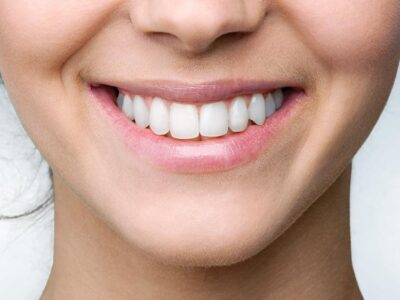
When most people think about Invisalign, they picture straighter teeth and a cleaner smile line. That is certainly part of the story, and for many patients it is the reason they book the first consultation. But after years of watching adults and teenagers move through orthodontic treatment, one pattern stands out again and again: the visible change is only the beginning.
A better bite can alter how someone eats, speaks, cleans their teeth, and even how they carry themselves in a room. The shift is often subtle at first. A patient stops covering their mouth when they laugh. They smile in photos without being prompted. They realize they are no longer waking up with jaw tension or feeling self-conscious during work presentations. These changes do not always show up in before-and-after photos, yet they matter just as much as alignment.
Invisalign has earned its popularity because it offers a discreet way to correct many orthodontic issues, but the real impact goes beyond appearance. For the right candidate, it can influence comfort, confidence, oral health, https://maps.app.goo.gl/qwemdSbhdbvoCnq5A and day-to-day habits in ways that are easy to underestimate before treatment begins.
The smile is the most obvious change, but not the most important one
A straighter smile has social weight. People notice symmetry quickly, even if they cannot describe exactly what looks different. Mild crowding, spacing, or a rotated front tooth can draw attention away from the rest of the face. When alignment improves, the whole expression tends to look calmer and more balanced.
That said, experienced orthodontic providers rarely judge success by front teeth alone. Cosmetic alignment matters, but function matters more. Teeth are part of a larger system that includes bone, gums, the jaw joints, facial muscles, and the bite itself. If the teeth look straight but hit poorly, the patient may still struggle with wear, discomfort, or instability over time.
This is one of the reasons Invisalign has become such a meaningful option for adults. Many adults put off orthodontic treatment for years because they assumed braces were their only path forward. Once they realize there is a clear-aligner alternative, they finally address issues they have lived with for a long time. In practice, that often means more than cosmetic refinement. It can mean correcting crowding that makes flossing difficult, reducing bite interference that chips enamel, or creating space for restorative work that could not be done properly before.
A patient may arrive saying, “I just want my front teeth straight.” During the evaluation, it becomes clear they also have a deep bite, uneven wear on the lower incisors, and gum inflammation around crowded areas. After treatment, the smile looks better, yes, but the deeper win is that the teeth function in a healthier way.
Better alignment can make oral hygiene easier
This is one of the least glamorous benefits of Invisalign, yet it is often one of the most practical. Crowded teeth are harder to clean thoroughly. The same is true of overlapping contacts and narrow spaces that trap plaque. Even very motivated brushers can miss areas if the anatomy works against them.
When the teeth are aligned more evenly, brushing becomes more effective and flossing becomes less frustrating. Patients often describe a feeling of relief when they realize they no longer need to “fight” to get between certain teeth. Hygienists notice it too. Bleeding can decrease. Plaque retention may improve. Gum tissue often looks calmer when crowding is reduced and the patient can clean more predictably.
This does not mean Invisalign automatically creates perfect oral health. A person who neglects hygiene during treatment can still develop cavities or inflamed gums. Clear aligners must be removed for eating and drinking anything other than water, and they need to be worn consistently after cleaning. If someone snacks frequently, forgets to brush before reinserting trays, or lets aligners sit uncleaned, the treatment can magnify hygiene problems rather than solve them.
Still, for patients who commit to the routine, the long-term hygiene benefit is real. Straighter teeth are easier to maintain. Over years, that can matter far more than the visual result alone.
The bite changes the way the whole mouth feels
Teeth are not supposed to collide randomly. A stable bite distributes force more evenly, and that has consequences for comfort and durability. When a bite is off, the body often compensates in small ways. A patient may chew more on one side, tense the jaw without realizing it, or grind in patterns that wear down specific teeth.
Invisalign can address many bite concerns, including certain cases of overbite, underbite, crossbite, open bite, and crowding-related interference. The exact limits depend on the individual case, tooth movement needed, compliance, and whether attachments, elastics, or refinements are required. Some cases remain better suited to braces, and some severe skeletal discrepancies call for a more complex plan. Good treatment starts with honest case selection, not marketing.
When Invisalign is used appropriately, bite changes can be substantial. Patients sometimes notice they can chew more evenly or that one side no longer “catches” first. Others report less chipping on front teeth because the bite no longer forces them into damaging contact. Some wake up with less muscle soreness because the jaw is not constantly adapting to an unstable occlusion.
It is important not to overpromise here. Jaw pain and temporomandibular disorders are complicated. Orthodontic treatment can help in some situations, but it is not a universal cure for every headache, click, or episode of clenching. Anyone claiming otherwise is oversimplifying a complex issue. Even so, better alignment and a more balanced bite can reduce certain mechanical stresses, and for the right patient that can be life-improving.
Confidence often shifts before the teeth are fully straight
One of the more interesting things about Invisalign is that people do not always wait until the final tray to feel better about themselves. The act of starting treatment often changes behavior early. There is a psychological effect in finally addressing something that has bothered you for years.
Adults in particular tend to carry long-standing stories about their teeth. They learned to smile with closed lips in middle school. They avoid video calls without thinking about why. They angle their face in photos. They delay professional headshots. None of this sounds dramatic, but over a decade or two it shapes self-presentation.
A patient once described it as “removing background noise.” Her teeth had not been severely crooked, but she had fixated on one upper lateral incisor that sat slightly behind the arch. Once treatment started, she felt immediate relief, not because the tooth had already moved much, but because the problem was no longer permanent in her mind. That is common. Progress creates momentum. People begin to imagine themselves differently, and that often influences posture, communication, and social ease.
Teenagers can experience this too, though in a different way. They are often highly aware of appearance but resistant to anything that makes them stand out. Clear aligners can lower the barrier for treatment because they feel less conspicuous than brackets and wires. Of course, teens also need the discipline to wear them consistently, so the best choice depends on the individual, not just the aesthetics.
Invisalign can reshape daily habits, for better and sometimes for worse
Orthodontic treatment always asks something of the patient. With braces, the effort is more passive. With Invisalign, the effort is more behavioral. You have to wear the aligners, usually around 20 to 22 hours a day, remove them before meals, clean your teeth before putting them back in, and keep track of trays throughout treatment. That routine can be a burden, but it also creates structure.
Many patients become more aware of how often they snack once they start Invisalign. Grazing all day becomes less appealing when every coffee with milk or handful of crackers means removing trays, rinsing, brushing, and reinserting them. Some people accidentally improve their diet and reduce mindless eating simply because the treatment makes them pause. Others become much more consistent with brushing and flossing than they had ever been before.
There are trade-offs. People who travel frequently, work long shifts, or have unpredictable meal schedules sometimes find the routine exhausting. If you are in sales, hospitality, medicine, or another field where you speak often and cannot slip away to clean your teeth easily, the logistics require planning. The first few days of a new tray can also create pressure or a slight lisp, especially if attachments are involved. Most patients adapt quickly, but the adjustment is real.
A realistic understanding of these lifestyle demands is one of the best predictors of a good experience. Invisalign is not difficult in a dramatic sense, but it is demanding in a quiet, repetitive one.
It can support restorative and periodontal treatment
One of the most overlooked benefits of Invisalign is how useful it can be before other dental work. In multidisciplinary care, alignment is often the step that makes the rest possible.
A crowded or tipped tooth may leave no ideal room for a veneer, implant, or bridge. An uneven bite may overload a restoration and shorten its lifespan. Teeth that have drifted after years of wear, grinding, or tooth loss can complicate what should have been a straightforward plan. In these cases, Invisalign is not just cosmetic. It is preparatory.
Dentists often use aligners to create space, upright teeth, improve root position, or redistribute gaps before restorative treatment. Periodontists may also want improved alignment to support better plaque control in patients managing gum disease, though the timing and health of the tissue matter. This kind of coordinated care is where orthodontics becomes especially valuable, because it stops being about “straight teeth” and starts being about building a healthier, more stable mouth.
Patients are sometimes surprised by this. They assume the recommendation is optional or aesthetic, when in fact it may be the most conservative way to avoid unnecessary drilling, compromise, or repeated repairs later.
The social advantage is real, but it should not be oversold
There is no point pretending appearance has no influence in professional or social life. It does. People make judgments quickly, and a healthy, confident smile can affect first impressions. For some patients, especially those in client-facing roles, that matters.
Yet it is important to keep perspective. Invisalign can improve alignment, harmony, and presentation, but it does not manufacture self-worth. If someone believes a straighter smile will solve every confidence issue, the emotional payoff may fall short. The best outcomes happen when treatment addresses a specific concern and fits into a broader sense of self-care, not when it is treated like a personality transplant.
That balance is worth keeping in mind because cosmetic dentistry sometimes gets marketed in grandiose terms. A straighter smile can absolutely change how you feel and how others perceive you. It can open doors socially because you stop hiding. But the transformation is often grounded, not magical. You still have to show up, speak clearly, do the work, and carry yourself with confidence.
Who tends to do well with Invisalign
In practice, the people who do best with Invisalign are not always those with the simplest cases. They are often the ones who understand the commitment and follow through.
- Adults who want discreet treatment and can stick to the wear schedule
- Patients with mild to moderate crowding, spacing, or bite issues that fit aligner mechanics
- People preparing for restorative dental work and needing precise tooth movement first
- Teens who are motivated, supervised, and genuinely willing to wear the trays
- Patients who value hygiene and are prepared for a disciplined routine
By contrast, patients who frequently lose things, snack constantly, resist structure, or hope for a fully passive treatment experience may struggle more than they expect. That does not mean they cannot succeed. It means the treatment has to fit the person, not just the teeth.
What changes patients notice most during treatment
There is a common misconception that Invisalign works in one dramatic leap. The lived experience is usually more incremental. Teeth move in small steps, and patients notice the process in moments.
- The first sign is often pressure rather than pain, especially with a new tray
- Speech may feel slightly off at first, then normalize within days
- Certain teeth seem to move quickly while others take longer and need refinements
- Friends may not notice right away, but the patient often notices subtle symmetry changes early
- The biggest reaction often comes near the end, when the bite and smile finally look coordinated
That slow progression has an upside. Because the change unfolds gradually, it often feels natural to the people around you. Many adults appreciate that they can improve their smile without the obvious visual marker of traditional braces.
The role of retainers, and why the story does not end with the last tray
One of the most frustrating truths in orthodontics is that teeth want to move. They are not fixed like tiles in cement. Bone remodels, soft tissue exerts pressure, and habits such as clenching or tongue thrust can affect stability. That is why retention matters so much.
Patients sometimes treat retainers like an optional afterthought, especially once the main treatment is done and the smile looks good. This is a mistake. The retention phase protects the investment of time, money, and discipline that treatment required in the first place. Most providers recommend wearing retainers full time initially, then transitioning to nights, though protocols vary by case.
When people say Invisalign “didn’t last,” the problem is often not the aligners themselves. It is inconsistent retainer wear after treatment. If someone had crowding before, they are still biologically prone to relapse after treatment. Good retention planning and follow-through are part of the transformation, not an add-on.
The most meaningful transformations are often private
The public-facing version of Invisalign is simple: straighter teeth, clearer aligners, better photos. The private version is more interesting. It is the patient who no longer dreads the dentist because cleanings are easier. The person who stops getting food trapped in the same crowded spot. The executive who speaks more freely in meetings. The bride who smiles naturally in candid pictures instead of rehearsing a closed-mouth expression. The older adult who finally corrects drifted teeth before replacing a missing one.
These are not flashy outcomes, but they are lasting ones.
For the right patient, Invisalign can transform more than just a smile because teeth are tied to so many ordinary human experiences: eating, speaking, cleaning, aging, presenting yourself, and feeling at ease in your own face. The aligners are clear, but the effects are not superficial. They can touch confidence, function, hygiene, and comfort all at once.
That is the real value of treatment. Not perfection. Not a showroom smile. A mouth that works better, feels better, and lets you move through the world with less self-consciousness and more ease.
Omni Dental Specialty
Address: 1690 E Gonzales Rd, Oxnard, CA 93036
Phone number: +18053666000
FAQ About Invisalign
How much does Invisalign actually cost?
The out-of-pocket cost for Invisalign typically ranges between $3,000 and $8,000, with most patients paying a national average of roughly $5,100 to $5,700 before insurance.
What is the downside to Invisalign?
The biggest downsides to Invisalign are the intense discipline required to wear the trays 22 hours a day, the inconvenience of removing them to eat or drink, and the inability to fix severe, complex orthodontic issues.
Is $5000 a lot for Invisalign?
No, $5,000 is not considered a lot for Invisalign; it is exactly the national average. Treatment costs typically fall between $3,000 and $8,000, and $5,000 is the standard fee for a moderately complex case that takes 6 to 18 months to complete.