Emergency Dentist Advice for Knocked-Out Teeth
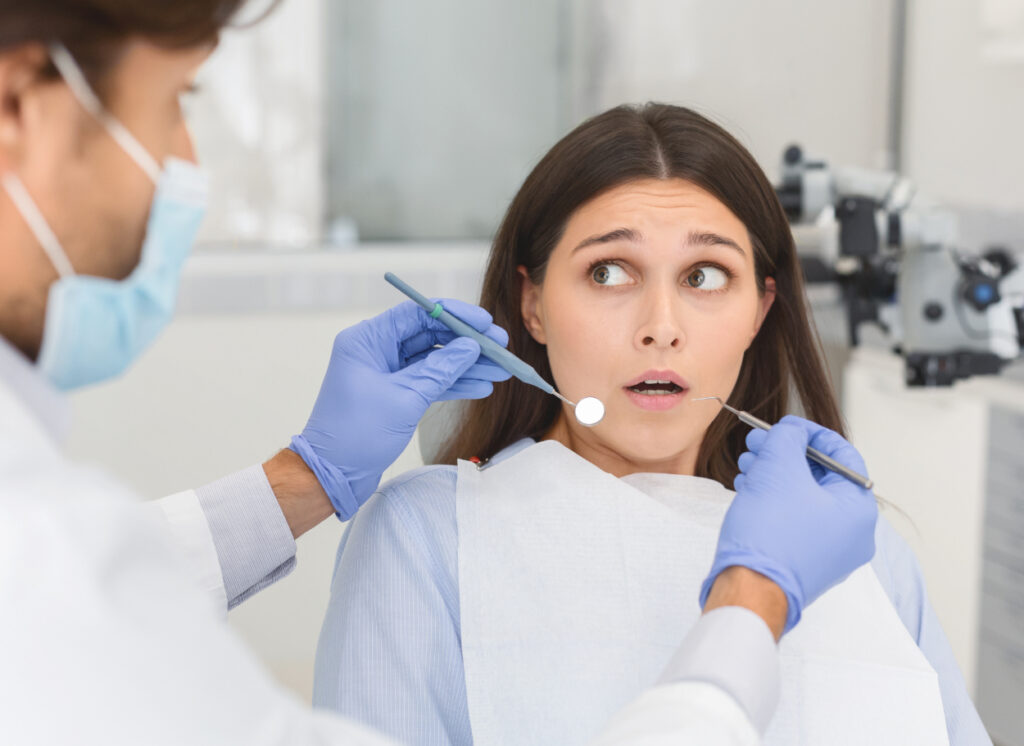


A knocked-out tooth is one of the few dental injuries where the first ten or fifteen minutes can change the outcome completely. I have seen cases where a tooth was replanted successfully because someone kept calm, handled it correctly, and got to an Emergency Dentist fast. I have also seen teeth become unsalvageable because they were wrapped in tissue, scrubbed under the tap, or left dry in a pocket for an hour. The difference is often not luck. It is what happens at the scene.
When a permanent tooth is fully displaced from the mouth, dentists call it an avulsed tooth. It sounds clinical, but the real-life moment is chaotic. A child falls off a bike. An adult catches an elbow during a pickup basketball game. Someone slips in the kitchen, hits a countertop, and suddenly there is blood, pain, and panic. In that rush, people often focus on stopping the bleeding and miss the one thing that matters most for the tooth itself, preserving the living cells attached to the root surface.
That is why prompt, informed action matters. A knocked-out tooth can sometimes be saved, but only if it is treated like the biological tissue it is. It is not a pebble. It is not a piece of bone you can rinse and set aside. It is a living structure with a very narrow margin for error.
What makes a knocked-out tooth an emergency
Not every dental problem needs same-day care, but this one usually does. A chipped filling can often wait. A dull toothache may be urgent, but not minute-by-minute urgent. A knocked-out permanent tooth is different because the periodontal ligament cells on the root begin to dry out and die once the tooth is out of the mouth. Those cells are critical if the tooth is going to reattach in a healthy way.
An Emergency Dentist looks at both the clock and the storage conditions. If the tooth is replanted immediately, or kept moist in an appropriate medium and treated quickly, the odds improve. If it has been dry for more than about 30 to 60 minutes, the long-term prognosis drops significantly, though treatment may still be worthwhile depending on the case. That timeline is not an absolute switch that flips from “saveable” to “hopeless.” It is more like a steady decline. Every minute dry matters.
There is another reason this injury deserves urgent care. Knocked-out teeth often come with hidden damage. The surrounding bone may be fractured. Nearby teeth may be loosened, cracked, or driven deeper into the socket. The lip may hide debris or cuts that need attention. If the injury came from a hard impact, especially in children, there can also be a head injury. Teeth do not usually fly out in isolation.
First response at the scene
If a permanent tooth has been knocked out, the immediate goal is simple, keep the person safe, find the tooth, and protect it from drying out.
Here are the steps I would want anyone to follow:
- Pick up the tooth by the crown, which is the chewing end you normally see in the mouth. Do not hold the root.
- If it is visibly dirty, rinse it gently for a few seconds with milk or saline, or clean water if nothing else is available. Do not scrub it.
- If the person is alert and cooperative, try to place the tooth back into the socket right away, facing the correct direction.
- If replanting is not possible, store the tooth in cold milk, saline, or inside the person’s cheek if they are old enough not to swallow it.
- Contact an Emergency Dentist immediately and head in without delay.
That short sequence covers most of what truly affects the result. People often want a more complex plan, but speed and gentle handling are the priorities.
Replanting at the scene can sound intimidating, yet it is often the best option when done calmly. If the tooth slides back into place and the person can bite softly on clean gauze or cloth to stabilize it, you have already done the most important part. Many people hesitate because they are afraid of “doing it wrong.” Fair concern, but the greater risk is usually letting the tooth dry out while waiting.
The mistakes that reduce the chance of saving the tooth
Under stress, well-meaning people make the same errors again and again. I have watched otherwise sensible adults scrub a tooth with soap, wrap it in tissue “to keep it clean,” or carry it dry in a plastic bag. Each of those choices harms the root surface.
Avoid these common mistakes:
- Do not touch or scrape the root.
- Do not scrub the tooth with a toothbrush, cloth, or your fingers.
- Do not store it dry in tissue, cotton, or a pocket.
- Do not soak it in alcohol, mouthwash, or hydrogen peroxide.
- Do not try to replant a baby tooth.
That last point deserves emphasis. Parents naturally want to save any lost tooth, but primary teeth are different. A baby tooth should not be replanted because of the risk of damaging the developing permanent tooth underneath. If a child loses a baby tooth from trauma, the child still needs prompt dental evaluation, just not reinsertion of that tooth.
Permanent teeth and baby teeth are not handled the same way
This is one of the most important distinctions in dental trauma. Permanent teeth, especially in older children and adults, may be candidates for immediate replantation. Baby teeth are not. The challenge is that in children around six to nine years old, it is not always obvious to a parent whether the knocked-out front tooth was primary or permanent.
As a general rule, permanent lower central incisors often erupt around age six to seven, and upper central incisors around age seven to eight. If a seven-year-old loses a front tooth in a fall, it may be permanent. If a three-year-old does, it is almost certainly a baby tooth. When in doubt, call an Emergency Dentist and describe the child’s age and which tooth was lost. A quick phone conversation can help guide what to do next.
It is worth noting that even if the avulsed tooth turns out to be a baby tooth, the injury is still important. Trauma can affect the gums, bone, and future permanent tooth. A dentist may need to take radiographs, check for fragments, and monitor healing over time.
The best place to store a knocked-out tooth
The ideal place for a permanent tooth is back in the socket. That is the most natural environment and the best way to preserve the root surface if reinsertion is possible. But sometimes it is not realistic. The person may be too distressed, there may be heavy contamination, or the socket may be difficult to identify because of bleeding.
In those cases, storage matters. Cold milk is widely recommended because it is easy to find, relatively gentle on cells, and far better than dry storage. Saline is also useful. Some first-aid kits and athletic trainers keep tooth preservation solutions specifically for this situation, which can be excellent if available. Placing the tooth in the person’s mouth, between the cheek and gums, can work for an older child or adult who is fully awake and not at risk of swallowing it. I would not use that method for a young child, anyone who is crying hard, or anyone with altered awareness after a head injury.
Plain water is better than letting the tooth dry out, but it is not ideal for long storage. If water is all you have, use it briefly while you move quickly toward better options and urgent care.
What the Emergency Dentist will do
Once you arrive, the dentist’s first job is to assess the whole injury, not just the missing tooth. They will ask when the injury happened, how the tooth was stored, whether it was replanted already, and whether there was loss of consciousness, vomiting, or other signs that might point to a medical emergency beyond the mouth.
A typical visit includes examination of the socket, nearby teeth, bite alignment, soft tissues, and radiographs. If the tooth is out and viable for replantation, the dentist may gently clean the socket if needed, reposition the tooth, and place a flexible splint attaching it to neighboring teeth for a period of time, often around two weeks, though timing can vary. Tetanus status may need to be reviewed if the injury involved contamination, especially outdoors. Antibiotics are sometimes prescribed depending on age, health history, and the nature of the injury.
The dentist will also discuss what comes next. Even when replantation is successful, follow-up is not optional. A knocked-out permanent tooth may later require root canal treatment, particularly in teeth with fully formed roots. Children with immature roots can be a bit different, because the biology is different and there may be some potential for revascularization. This is one of those situations where the details matter and blanket statements do not serve patients well.
Why the root matters more than the enamel
People naturally focus on the visible white part of the tooth. It looks chipped or dirty, so they want to clean that area. Yet for survival of the tooth, the root surface is the more delicate issue. The periodontal ligament cells attached there are essential for reintegration into the socket. Excessive handling, drying, scrubbing, or chemical exposure can strip or kill those cells.
This is the reason dentists keep repeating the same advice, hold the crown, not the root. It can sound overly simple, but it is grounded in biology. If someone tells me they found the tooth immediately, placed it in milk, and touched only the crown, I am already more optimistic than if they tell me it sat in a napkin for forty-five minutes after being rinsed and wiped clean.
Timing, prognosis, and the truth about “saving” the tooth
People often ask for a percentage, as if any dentist can say, “You have a 70 percent chance.” Real life does not work that way. Prognosis depends on the person’s age, how quickly the tooth was replanted, whether it stayed moist, how mature the root is, whether the socket or bone was damaged, and how the tooth heals over the following months.
What I tell patients is more practical. If a permanent tooth is replanted immediately or very quickly, the outlook can be surprisingly good. If the tooth has been dry for a prolonged period, the chance of long-term survival decreases, but that does not mean https://ameblo.jp/andresoohz002/entry-12978174810.html replantation is pointless. Sometimes replantation helps preserve bone and appearance for a time, which can be very valuable, especially in growing children and teens where implant timing is complicated.
This is where experience matters. “Saving the tooth” can mean different things. Sometimes it means the tooth remains stable and functional for many years. Sometimes it means buying time during growth, preserving space and supporting the gum and bone until a better definitive option is possible. Those are not failures. They are thoughtful, staged treatment decisions.
Special considerations for children and teenagers
Dental trauma in younger patients carries an extra layer of complexity. Growth is still happening. The roots of some permanent teeth may not be fully formed. Bone and gum contours are still developing. The emotional impact can also be larger than adults expect. A front tooth lost at age nine is not just a dental event. It affects school, speech, confidence, photos, and sports.
Children also present practical challenges. They may not tolerate repositioning or imaging easily when frightened. Parents may arrive overwhelmed, carrying the tooth in a tissue because nobody told them otherwise. This is why school nurses, coaches, and caregivers benefit from very basic trauma training. One calm adult who knows to use milk and call an Emergency Dentist can materially improve the outcome.
For adolescent athletes, custom mouthguards are worth discussing after recovery. I have seen enough repeat injuries in basketball, skateboarding, soccer, and baseball to say this plainly, prevention is not glamorous, but it is effective.
Pain, bleeding, and what to do on the way to care
A knocked-out tooth usually bleeds, though often less than people expect once pressure is applied. Have the person bite gently on clean gauze or cloth if they can. Cold compresses on the outside of the face may help with swelling. Over-the-counter pain relief can be useful, assuming there are no medical reasons to avoid it, but pain control should not delay treatment.
Soft tissue injuries deserve attention too. If a lip is cut, there may be a tooth fragment embedded in it, especially after a fractured front tooth. That is one reason radiographs can matter even when the missing tooth has already been found. If the injury resulted from a major fall, traffic collision, or sports collision with possible concussion, medical evaluation may need to take priority. A tooth can sometimes be replaced. A missed head injury is a much bigger problem.
What healing looks like after the tooth is replanted
Patients are often surprised that the crisis is not over once the tooth is back in place. The first appointment is only the start. The tooth needs stabilization, follow-up testing, and monitoring for several possible complications. These include pulpal necrosis, root resorption, ankylosis, and infection-related changes. Those terms sound technical, but the practical takeaway is simple, a replanted tooth needs repeated review.
The gum can look fairly normal while deeper changes are developing. That is why dentists schedule follow-up exams and radiographs over time. The tooth may darken, become tender, feel high in the bite, or show changes on x-ray months after the injury. In some cases, endodontic treatment is needed. In others, the tooth remains quiet and stable. Trauma cases teach patience.
Diet also matters in the short term. The dentist may advise a soft diet for a period and careful oral hygiene around the splint. Patients should avoid testing the tooth, biting directly into hard foods, or wiggling it to see if it is “stuck.” Children, in particular, need supervision here. Curiosity is not helpful to healing.
If the tooth cannot be saved
Not every knocked-out tooth is recoverable, and it is better to be honest about that than to offer false reassurance. A tooth that was dry for a long period, severely damaged, or associated with a major fracture may not have a favorable long-term outlook. Even then, modern dentistry has good options.
For adults, choices may include a dental implant, bridge, or removable temporary replacement depending on timing, bone condition, and budget. For children and teens, definitive replacement often has to account for ongoing growth, which can make treatment sequencing more nuanced. A temporary solution that preserves appearance and space may be the best step for several years.
This part of the conversation can be hard, especially when the injury happened despite someone trying to do everything right. Still, even when a tooth is ultimately lost, prompt care is never wasted. Preserving bone, managing pain, protecting adjacent teeth, and planning well all make the next stage easier.
A real-world scenario that shows the difference
A case that stays with me involved two teenage soccer players injured on the same weekend. The first player’s parent found the tooth on the field, rinsed it briefly with milk from the concession stand, placed it back in the socket, and got to an Emergency Dentist within half an hour. The second player’s tooth was wrapped in dry paper towel and brought in nearly ninety minutes later. Same type of tooth, similar age, similar mechanism of injury. The first case had a much smoother course. The second required a more guarded discussion from the start.
That is not anecdotal drama for effect. It is the pattern trauma dentists see repeatedly. The biology is unforgiving, but the instructions are manageable. Quick action, correct handling, urgent professional care.
When to call 911 or go to the emergency room instead
A dental office, even one offering Emergency Dentist services, is not always the first destination. If the injured person lost consciousness, is vomiting, has a severe headache, seems confused, has trouble breathing, cannot stop bleeding, or may have facial fractures beyond the teeth, medical emergency care comes first. The same applies if the tooth was inhaled or there is concern it was swallowed in a patient with coughing or respiratory symptoms.
Once the person is medically stable, dental treatment can follow. It is always better to miss a chance at ideal tooth timing than to miss a serious medical problem.
The advice I wish every parent, coach, and patient already knew
A knocked-out permanent tooth is one of the rare dental emergencies where bystander action can directly preserve a natural tooth. You do not need dental training to help. You need three things, urgency, a gentle hand, and the discipline not to improvise with harmful cleaning methods.
If you remember only the essentials, remember this: pick it up by the crown, keep it moist, replant if you can, and get to an Emergency Dentist immediately. Those four ideas cover the core of effective first response.
And if you supervise children or sports, plan ahead. Keep saline or a tooth preservation kit in a first-aid bag. Know who offers after-hours dental trauma care in your area. Encourage mouthguard use in contact and collision sports. The best emergency advice is even better when it is paired with prevention and preparation.
A knocked-out tooth feels dramatic because it is dramatic. But it is also one of the few dental injuries where calm, informed action at the scene can genuinely change the story.
Simple Dental South Gate
Address: 8617 California Ave, South Gate, CA 90280
Phone number: +13236896118
FAQ About Emergency Dentist Southgate CA
What can the ER do for a tooth?
The emergency room can provide temporary symptom relief for a bad tooth, such as prescribing pain medicine or antibiotics, but it cannot fix the actual dental problem.
What is the 3-3-3 rule for tooth infection?
The 3-3-3 rule for a toothache or infection typically means taking three 200 mg ibuprofen tablets (600 mg total) three times a day for no more than three days to control pain and swelling while waiting to see a dentist.
What do you do if you have a dental emergency but no dentist?
If you have a dental emergency and no regular dentist, you should search for an urgent care dental clinic, call local walk-in dental offices, or go to a hospital emergency room if you have severe bleeding, swelling, or trouble breathing.